Welcome to Holistic Wellness

Understanding energy, vitality, and personal growth through educational insights.

Key Pillars of a Balanced Life

P

Physical

Movement, nutrition, and bodily well-being.

M

Mental

Focus, clarity, and cognitive engagement.

E

Emotional

Balance, resilience, and inner peace.

S

Social

Connection, community, and relationships.

Understanding Habit Formation

Awareness

Recognizing patterns and identifying areas for development.

Action

Implementing small, consistent steps toward positive change.

Adaptation

Adjusting strategies based on experience and feedback.

Integration

Embedding practices into daily routines for sustained benefit.

Introduction to Holistic Wellness

Holistic wellness is an approach to understanding well-being that acknowledges the interconnection of physical health, mental clarity, emotional stability, and social fulfillment. Rather than focusing on isolated aspects, this perspective recognises that each element influences the others. An individual's energy levels, for example, are shaped by sleep patterns, nutritional habits, stress management, and meaningful relationships. This guide explores the foundational concepts of wellness education, providing context for how different lifestyle factors contribute to overall vitality and personal growth.

Educational content in this field emphasises explanations and understanding rather than prescriptions or guarantees. Diverse individuals respond differently to various approaches, and there is no universal solution. This resource aims to inform and educate, allowing individuals to make informed decisions about their personal development journeys.

The Role of Nutrition in Energy

Balanced Nutrition and Vitality

Food serves as fuel and building material for the body. Understanding the role of different nutrients can inform conscious dietary choices. Key areas of focus include:

  • Proteins for muscle maintenance and recovery
  • Whole grains for sustained energy release
  • Fruits and vegetables for micronutrient content
  • Healthy fats for cellular function
  • Hydration for metabolic processes

Benefits of Mindful Living
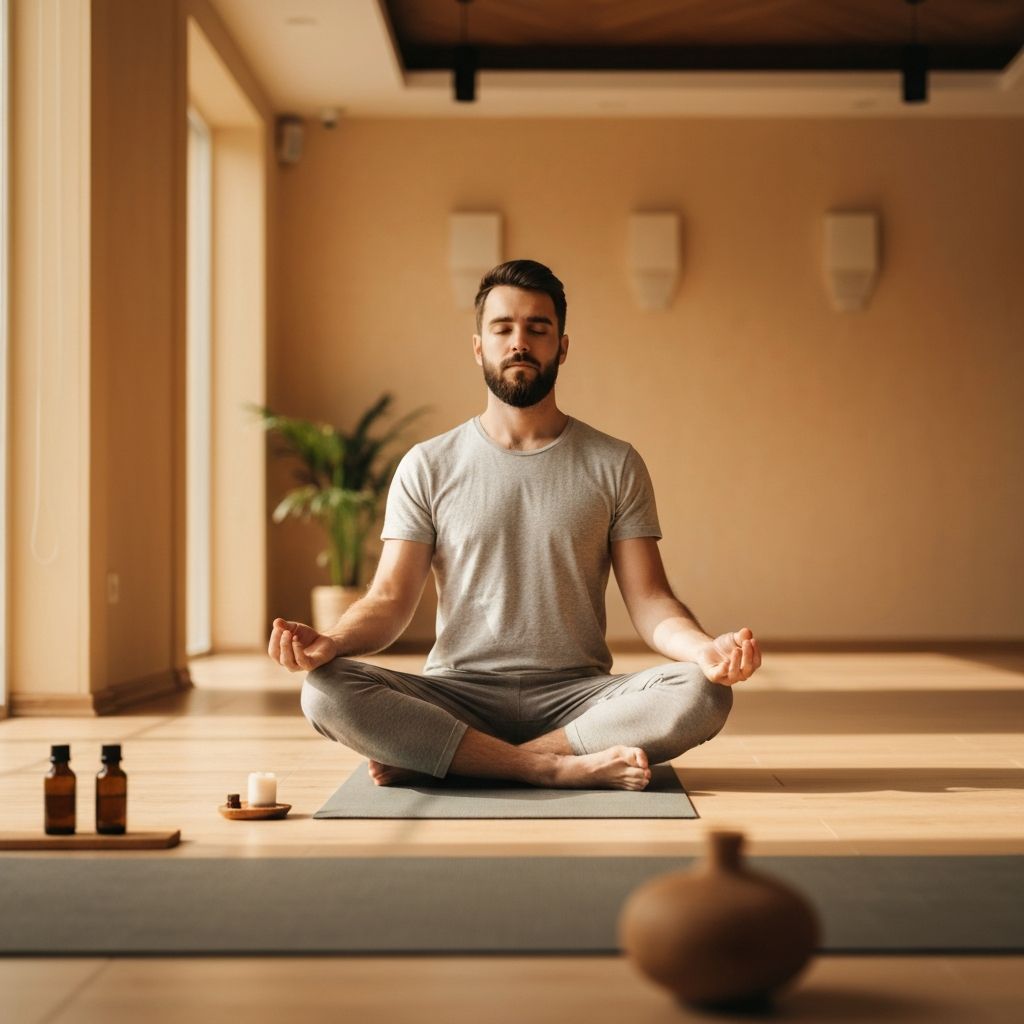
Mindfulness practice

Enhanced Clarity

Focused attention improves decision-making and cognitive function.

Reduced Stress Response

Mindfulness practices may help manage stress and promote relaxation.

Improved Sleep Quality

Evening mindfulness routines can support better rest patterns.

Emotional Regulation

Awareness of thoughts and feelings enables better emotional management.

Exploring Personal Growth Paths

📚

Continuous Learning

Embracing curiosity and developing new skills throughout life.

🧭

Self-Discovery

Understanding personal values, strengths, and areas for growth.

💡

Goal Setting

Defining realistic objectives and creating actionable pathways forward.

Daily Routines for Vitality

Time Activity Purpose
Morning Stretching, hydration, balanced breakfast Activate body, support sustained energy
Mid-Morning Movement, focused work, social connection Maintain momentum, cognitive engagement
Midday Nutritious lunch, brief rest or walk Refuel, prevent afternoon fatigue
Afternoon Physical activity, creative tasks, reflection Sustained vitality, mental engagement
Evening Mindfulness, light movement, preparation for sleep Transition to rest, support sleep quality

Frequently Asked Questions

Wellness is a holistic concept encompassing physical, mental, emotional, and social well-being. Fitness focuses specifically on physical conditioning and exercise capacity. Wellness education considers how all dimensions of life interact to support vitality.
Habit formation varies by individual and habit complexity. Research suggests anywhere from weeks to months. Consistency and gradual integration into daily routines are key factors. Personal experience and reflection help identify what works best for each individual.
Yes, lifestyle factors such as sleep, nutrition, movement, stress management, and social engagement influence energy levels. Many people report noticing improvements after making consistent adjustments. However, outcomes vary based on individual circumstances and existing health status.
No. Mindfulness practices are accessible to anyone, regardless of prior experience. Beginner techniques might include simple breathing exercises, body scans, or focused attention during daily activities. Consistency matters more than complexity.
Sleep is fundamental to wellness. During sleep, the body repairs tissues, consolidates memories, and regulates hormones. Quality sleep influences mental clarity, mood, immune function, and energy availability. Sleep needs vary by individual and age.
Begin with self-reflection: identify areas of interest, current habits, and aspirations. Set realistic, specific goals. Explore educational resources such as articles, guides, and community discussions. Track progress through journaling or notes. Remember that personal growth is individual and non-linear.

Limitations and Context

Educational content only. No promises of outcomes.

All information presented on this website is for educational and informational purposes only. This content is not a substitute for professional medical, psychological, or health-related advice. It does not diagnose, treat, prevent, or cure any condition. Individual circumstances, health status, and genetics vary significantly. Results from lifestyle changes are not guaranteed and differ from person to person. Always consult qualified professionals before making significant health or lifestyle decisions. This site provides general knowledge, not personalised recommendations.

Explore Our Latest Insights

Deepen your understanding through our comprehensive articles and guides.

Learn More